

Imagine gliding through the water with the speed and agility of a dolphin, propelled by a force that feels both natural and futuristic. This isn’t science fiction; it’s the reality offered by the next wave of aquatic technology. We’re talking about water jet shoes, a groundbreaking category of aquatic propulsion footwear that transforms how we interact with water. Forget the clumsy, tiring effort of traditional fins; this is about harnessing powerful, directed thrust right at your feet for an unparalleled experience of freedom and control.
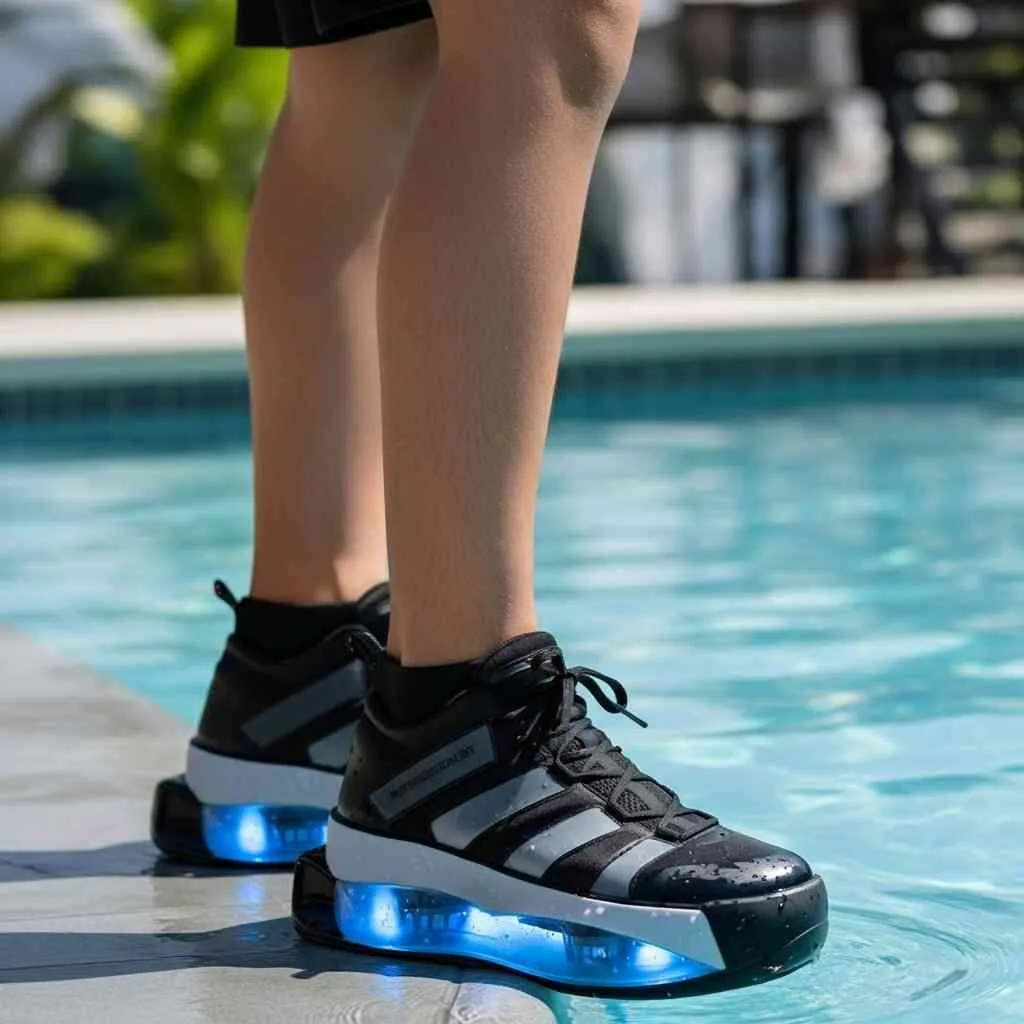
These devices are more than just a novelty; they represent a significant leap forward in personal water mobility. By integrating compact, high-efficiency jet systems into ergonomic footwear, designers have created a tool for recreation, fitness, and even professional use. Whether you’re looking to explore a reef with less effort or add a high-intensity workout to your pool routine, water jet shoes are poised to become an essential piece of gear for any serious water enthusiast.
The Engineering Vision Behind Water Jet Shoes
The inspiration for water jet shoes comes directly from the natural world, fused with cutting-edge fluid dynamics. For decades, swimmers and divers have relied on fins, which mimic the tails of fish but still demand significant physical exertion for modest gains in speed. The creators of this new technology asked a simple question: what if we could replicate the powerful, efficient propulsion of a squid or an octopus, which use jets of water to move, and integrate it directly with the human form? This concept solves the core problem of inefficient energy transfer, giving the user direct, on-demand thrust.

This new class of aquatic propulsion footwear was born from the desire to make underwater movement feel less like work and more like flight. By miniaturizing the same principles found in personal watercraft, engineers developed a system where an impeller draws in water and forcefully expels it through a rear-facing nozzle. This creates a powerful and immediate forward thrust, managed by the user. The result is a device that enhances human ability, allowing for faster speeds, tighter turns, and a feeling of seamless integration with the aquatic environment.
“The ultimate goal wasn’t just to go faster, but to change the very conversation between the user and the water. It’s about intuitive movement, about feeling a new sense of power and grace that was previously unimaginable.”
Who Are Water Jet Shoes Designed For?
The beauty of water jet shoes lies in their incredibly broad appeal, attracting a diverse audience united by a love for the water. The primary users are, without a doubt, water sports enthusiasts and adrenaline junkies. Individuals who enjoy snorkeling, free diving, or simply exploring coastal waters will find these shoes revolutionary, allowing them to cover more ground, fight currents with ease, and extend their time in the water without fatigue.
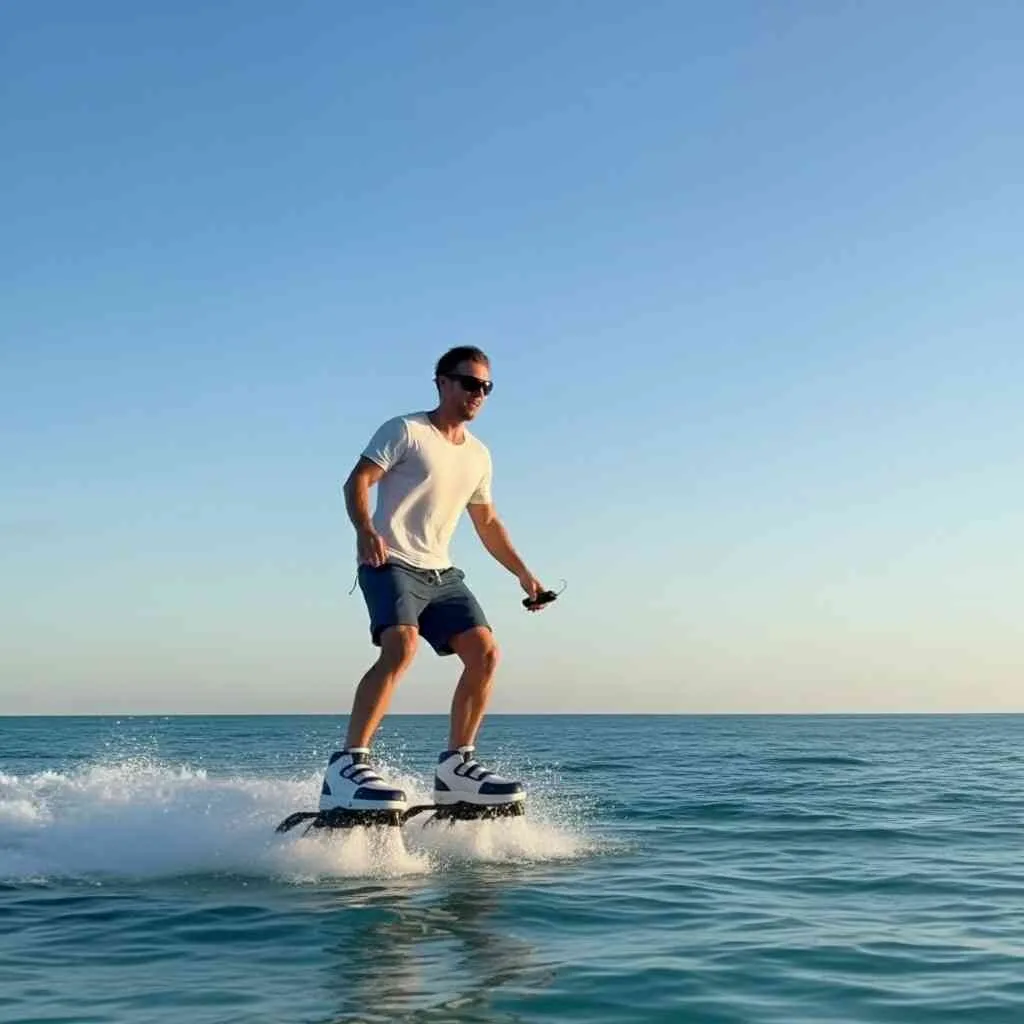
Beyond the thrill-seekers, the fitness community is rapidly discovering the water jet shoes benefits. They offer a unique form of resistance training, turning a simple pool into a dynamic gym. Swimmers can use them to focus on core strength and stability, while aquatic therapists can leverage the controlled propulsion for rehabilitation exercises. The intuitive control also makes them accessible to beginners, providing a confidence boost and a fun way to get comfortable moving in the water.
Read more: Walking Horse Recliner: Innovative Ergonomic Comfort For Your Home
Finally, the technology has serious water jet shoes applications in professional fields. Marine biologists can survey reef systems more efficiently, and underwater photographers can maintain steady positions in currents. Perhaps most importantly, search and rescue teams can utilize them for swift, agile operations in flooded areas or coastal waters, making them a tool that is not only for fun but for saving lives.
Deconstructing the Design: Features and Care for Your Water Jet Shoes
Understanding the technology packed into water jet shoes helps you appreciate their performance. Each component is engineered for power, efficiency, and durability in aquatic environments.
The Propulsion Core
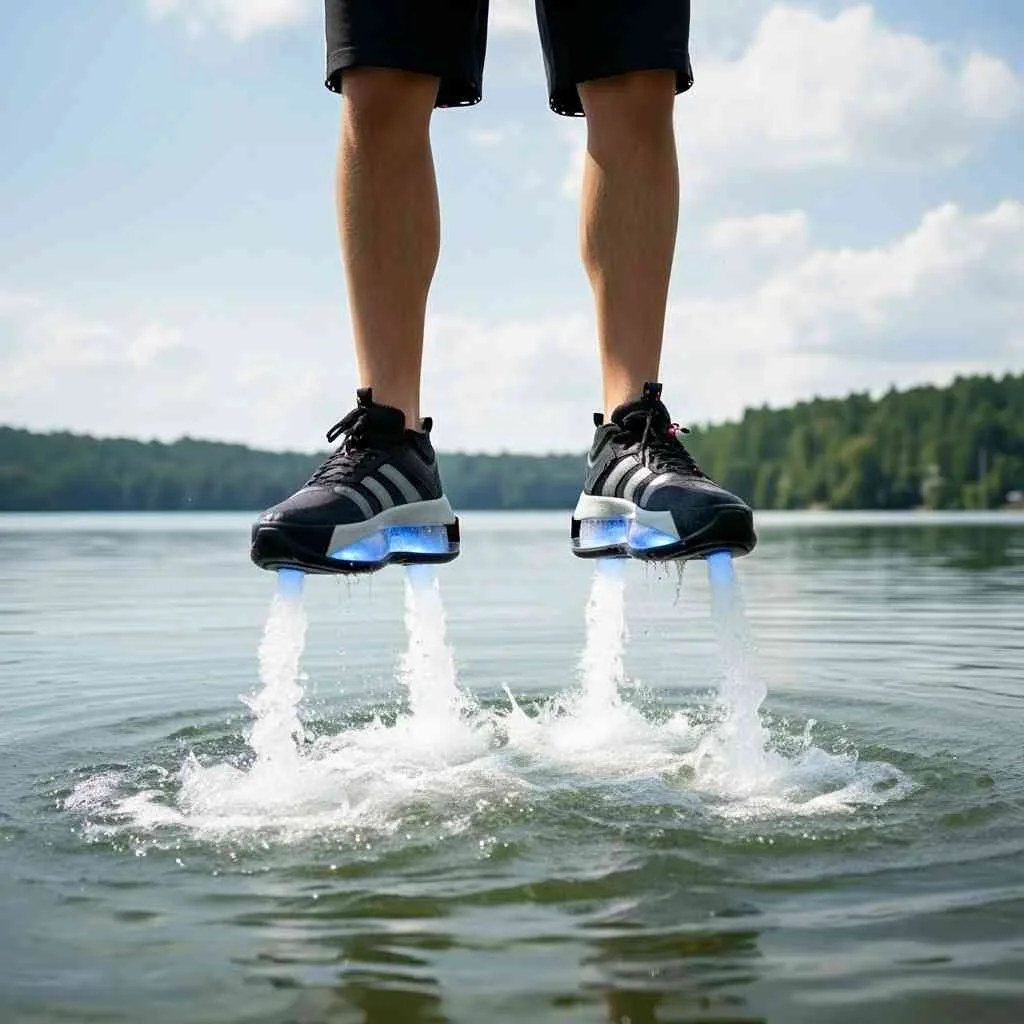
At the heart of every shoe is a compact jet propulsion system. An integrated, battery-powered motor spins a high-speed impeller, which sucks water in through an intake vent (usually on the bottom or front). This water is then compressed and forced out through a directional nozzle at the heel. The result is a smooth, powerful thrust vector that propels you forward. This is precisely how water jet shoes work, converting electrical energy into potent kinetic force.
Ergonomics and Fit
Comfort is paramount. Most water jet shoes feature a hard-shell boot design similar to a ski or wakeboard boot, providing crucial ankle support to handle the thrust. Inside, a soft, form-fitting liner ensures a snug fit, preventing chafing and maximizing control. The materials are typically a combination of marine-grade polymers and corrosion-resistant metals, ensuring they stand up to both saltwater and chlorine.
Power, Control, and Maintenance
Power is supplied by rechargeable, waterproof lithium-ion battery packs that are either integrated into the shoe or worn as a separate unit. Control is often managed through a handheld, waterproof remote that allows you to adjust speed settings on the fly. To ensure longevity, maintenance is simple but critical. Always rinse the entire unit thoroughly with fresh water after each use to remove salt, sand, and chlorine. Periodically check the intake vents for debris and ensure the battery terminals are clean and dry before charging.
Placing Water Jet Shoes in the Market
To truly understand their value, it’s essential to compare water jet shoes to traditional aquatic mobility aids like fins and flippers.
Price Comparison
There’s no contest here: traditional fins are significantly cheaper, with prices ranging from $30 to $200. Water jet shoes are a premium technology product, with prices starting in the high hundreds and often exceeding $1,000 for top-tier models. The cost reflects the advanced engineering, motors, batteries, and control systems involved.
Design Comparison
Fins are simple, flexible blades that extend from the foot. They are lightweight and require no power. Water jet shoes are a fully integrated footwear system. They are bulkier and heavier due to the internal components but offer a far more secure and supportive fit, functioning as a complete boot that protects the foot and stabilizes the ankle.
Feature Comparison
This is where the distinction becomes clearest.
- Propulsion: Fins require constant physical effort (kicking) to generate thrust. Water jet shoes provide continuous, powered thrust with no effort beyond steering.
- Speed & Control: Fins offer limited speed based on the user’s strength. Jet shoes provide variable, controllable speeds that far exceed what’s possible with fins.
- Maneuverability: While fins allow for decent agility, jet shoes enable sharp turns, hovering in place, and even moving backward (on some models), offering a level of control that feels more like a vehicle than an accessory.
- Fatigue: Kicking with fins for extended periods is tiring. Jet shoes allow for long-duration exploration with minimal physical fatigue.
Durability and Longevity
High-quality fins are durable but can tear or crack over time. The best water jet shoes are built from impact-resistant plastics and corrosion-proof metals. While they have more complex parts that could fail, they are designed as robust pieces of equipment. Longevity depends heavily on proper maintenance, especially freshwater rinsing and correct battery care.
Customer Reviews
Users consistently rave about the unique sensation of freedom. One reviewer noted, “I’ve been diving for 20 years, and my first time with water jet shoes felt like the first time I ever entered the water. The ability to glide effortlessly alongside marine life without scaring it away with big kicks was absolutely magical. They’re a game-changer.”
The Future of Personal Aquatic Propulsion
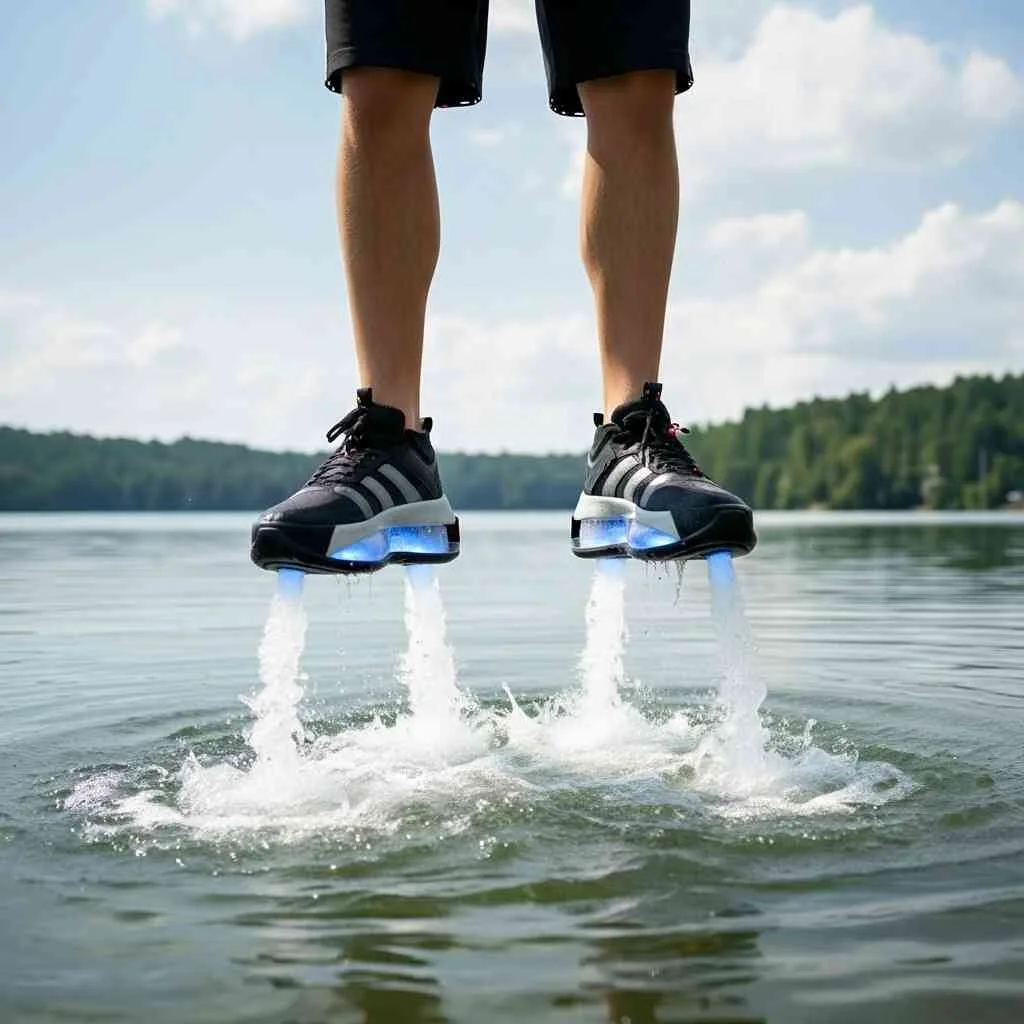
Water jet shoes are more than just a fun gadget; they represent a fundamental shift in our relationship with the water. By replacing strenuous physical effort with intuitive, powered control, they open up a world of possibilities. They offer unparalleled speed and agility for recreational users, provide a novel platform for fitness and therapy, and serve as a powerful tool for professionals. The technology democratizes underwater exploration, making it more accessible and less physically demanding for a wider range of people.
As the technology continues to evolve, we can expect lighter designs, longer battery life, and even more sophisticated control systems. This is the new frontier of personal water sports. To see more inspiring designs and stay ahead of the curve on groundbreaking technology, be sure to follow our blog and subscribe to our newsletter for the latest updates.
Frequently Asked Questions
Where can I purchase the best water jet shoes?
The best water jet shoes are typically sold through specialized online retailers that focus on water sports technology or directly from the manufacturer’s website. Major sporting goods stores are beginning to carry them, but online channels currently offer the widest selection of models and brands.
How much do water jet shoes usually cost?
The price of water jet shoes varies significantly based on power, battery life, and features. Entry-level models for recreational use may start around $500-$800, while high-performance or professional-grade models can cost several thousand dollars.
Are water jet shoes safe for all ages to use?
While generally safe, water jet shoes are powerful devices recommended for competent swimmers, typically teenagers and adults. Manufacturer guidelines should always be followed, and children should only use them under strict adult supervision. Users should start in a calm, controlled environment like a pool to get comfortable with the controls and thrust.