
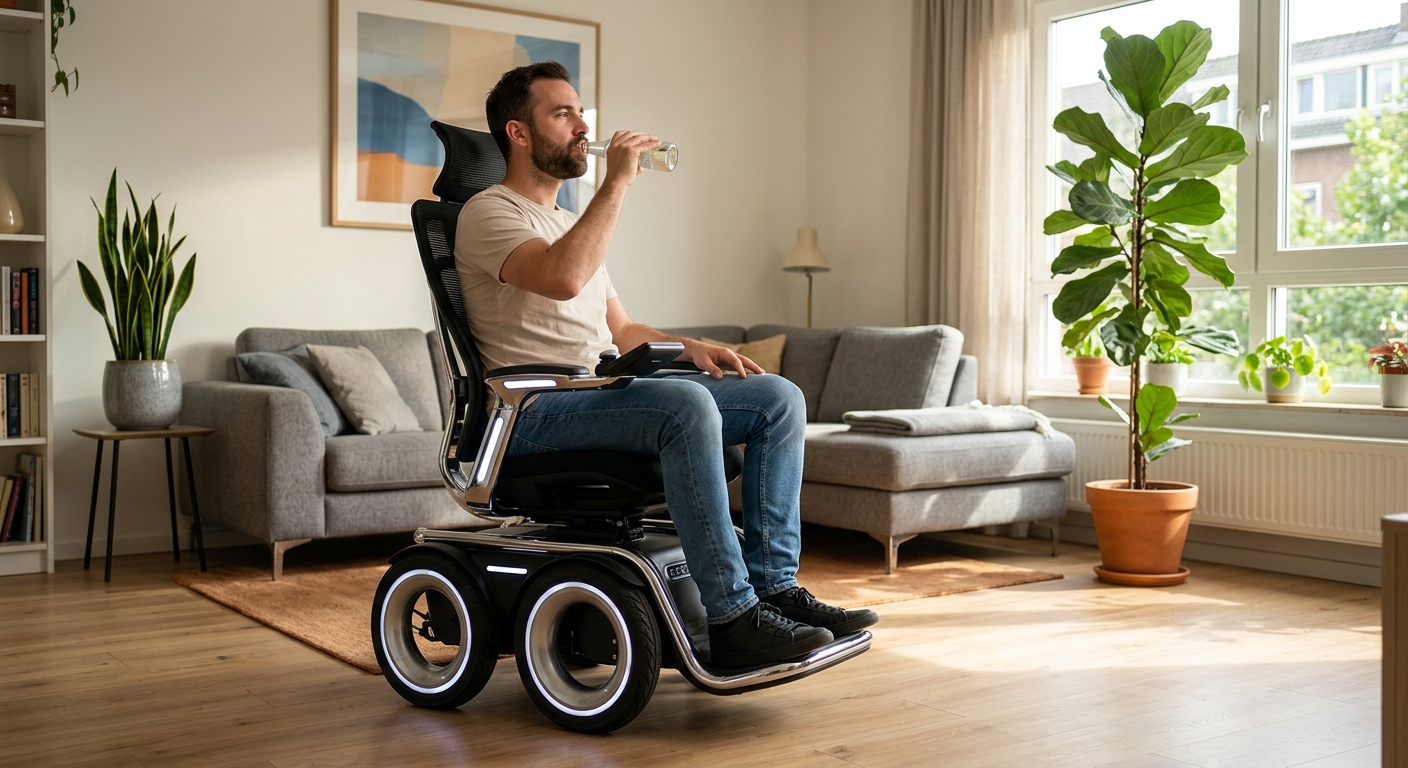
Keeping vast spaces pristine often feels like an endless, back-breaking chore. Whether it’s a sprawling home, a warehouse floor, or a commercial venue, the physical toll of pushing a traditional vacuum for hours is undeniable. This challenge has sparked a revolution in cleaning technology, moving beyond small robotic helpers to address large-scale needs with unprecedented efficiency and comfort.
Enter the world of riding vacuums. These powerful machines are designed to transform hours of labor into a swift, comfortable task. By combining the robust power of an industrial cleaner with the ease of a ride-on vehicle, they represent the pinnacle of effortless home care and commercial maintenance. This is not just an upgrade; it’s a complete re-imagining of what it means to clean on a grand scale.
The Engineering Evolution of Riding Vacuums
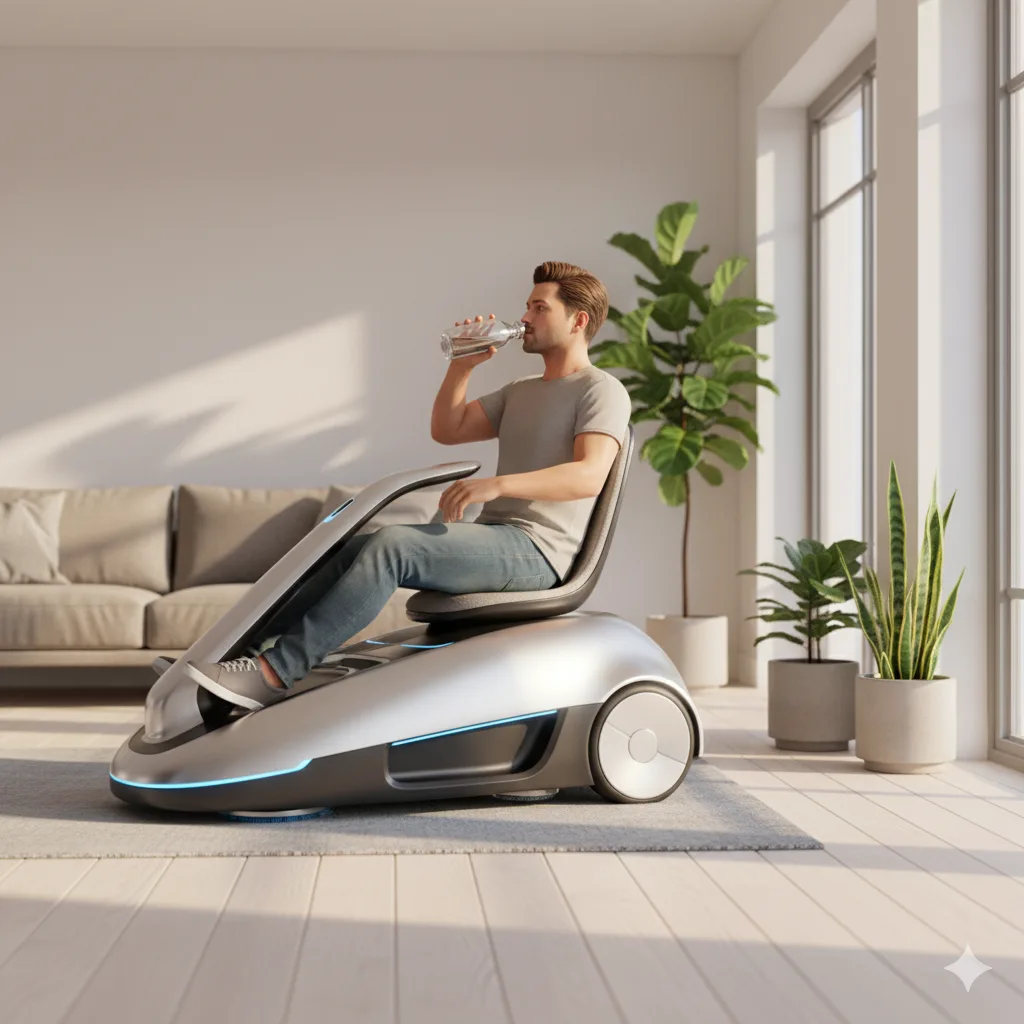
The concept behind riding vacuums was born from a simple yet powerful observation: the biggest barrier to cleaning large areas isn’t a lack of powerful equipment, but the physical fatigue of the operator. Pushing a heavy upright or canister vacuum across thousands of square feet is exhausting and time-consuming. This directly impacts productivity in commercial settings and makes home maintenance a dreaded task for owners of large properties. The primary problem these machines solve is human endurance.
Engineers sought to merge the mobility of groundskeeping equipment with the suction power of industrial riding vacuums. The goal was to create an ergonomic cleaning machine that allowed the user to sit comfortably while directing a wide, powerful cleaning head. This design shift dramatically reduces operator fatigue, turning a physically demanding job into a manageable, even pleasant, one. Early models focused on raw power, but today’s smart vacuum cleaners incorporate advanced filtration, intuitive controls, and designs that maximize maneuverability in complex spaces.
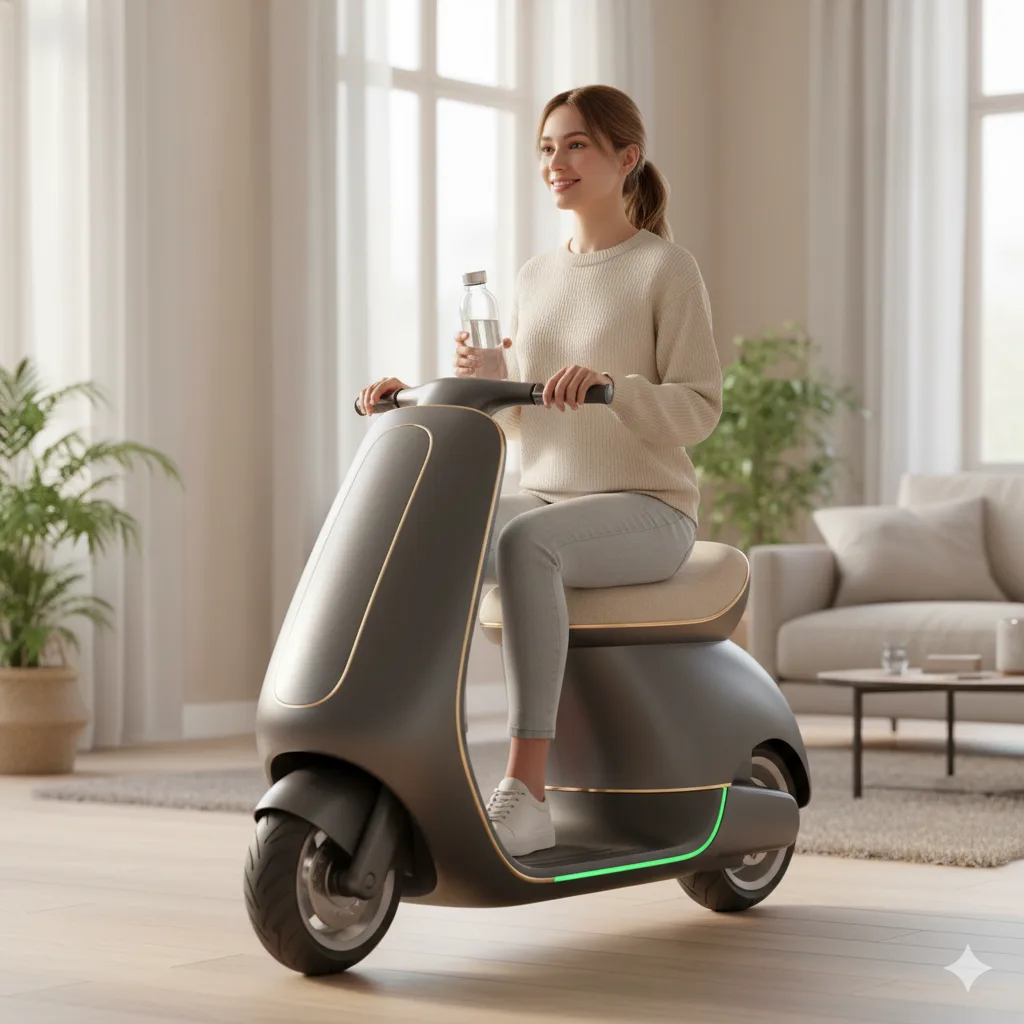
“The best designs are those that eliminate friction from our daily lives. A riding vacuum doesn’t just clean a floor; it gives you back time and energy, which are far more valuable.”
These machines are built for endurance and efficiency. They feature heavy-duty motors, wide cleaning paths that cover more ground in a single pass, and massive collection bins that minimize the frequency of emptying. The result is a purpose-built solution that not only cleans more effectively but also boosts productivity by allowing a single operator to accomplish more in less time.
Who Benefits Most from Modern Riding Vacuums?
While the idea of a ride-on cleaner might seem like an industrial-only solution, the audience for riding vacuums is surprisingly diverse. The core benefit—cleaning vast areas with minimal physical effort—appeals to several distinct groups who value time and efficiency. These machines are a game-changer for anyone tasked with maintaining a significant amount of floor space.
Read more: The Jelly Bed: Innovative Comfort And Support For Better Sleep
For homeowners with large estates, multi-level homes with expansive rooms, or extensive finished basements, a riding vacuum transforms a weekend-long chore into a quick task. It’s the ultimate tool for effortless home care, allowing them to maintain their beautiful spaces without sacrificing their free time or physical well-being. Early adopters of advanced home technology are also drawn to the innovation and efficiency these machines represent.
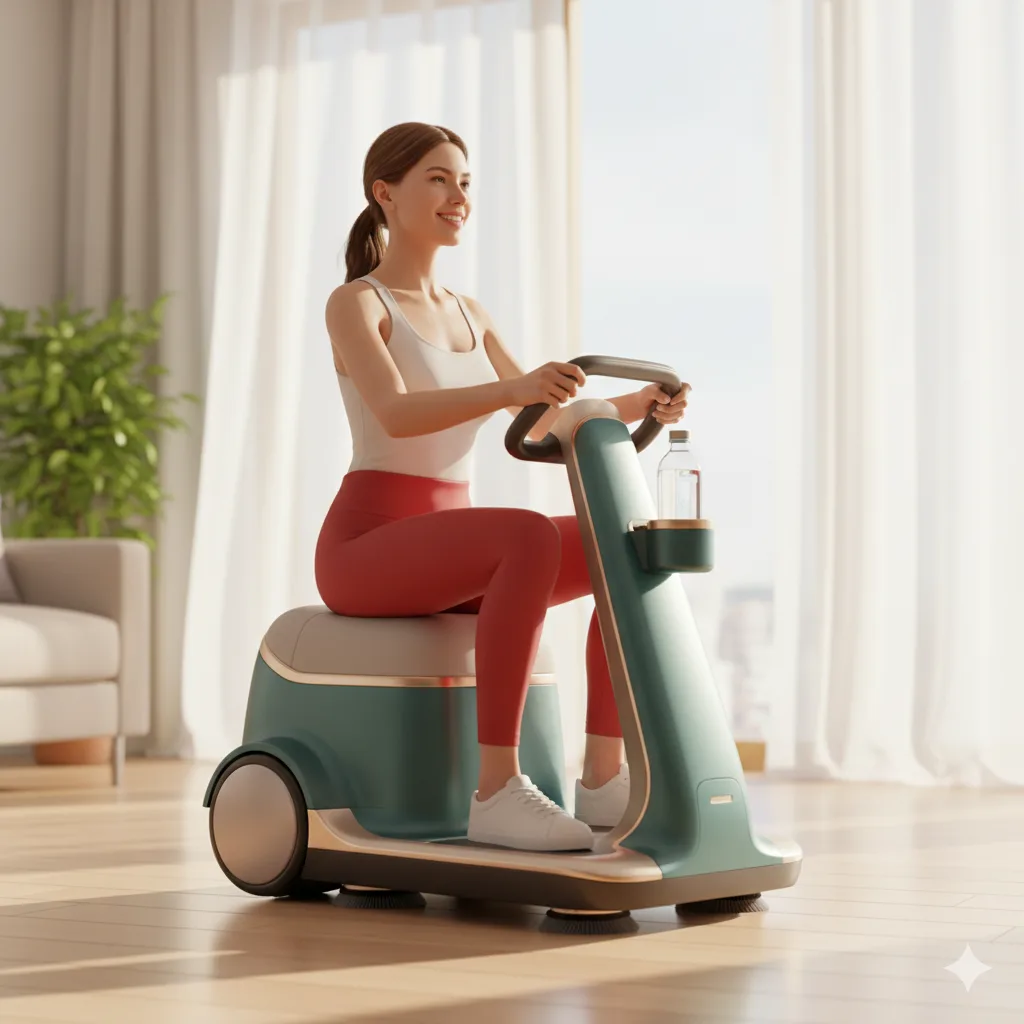
In the commercial sector, the value proposition is even clearer. Facility managers for schools, airports, convention centers, and hospitals rely on riding vacuums to maintain hygiene standards efficiently. Commercial cleaning businesses can dramatically increase their productivity, enabling their crews to cover more client sites per day. For these users, the investment is not just about convenience; it’s about a tangible return on investment through saved labor costs and superior cleaning results.
Key Design, Features, and Care for Riding Vacuums
The performance of riding vacuums comes from a thoughtful combination of powerful engineering and user-focused design. These machines are more than just vacuums with a seat; they are integrated systems where every component is optimized for large space cleaning.
Ergonomic Controls and Comfort
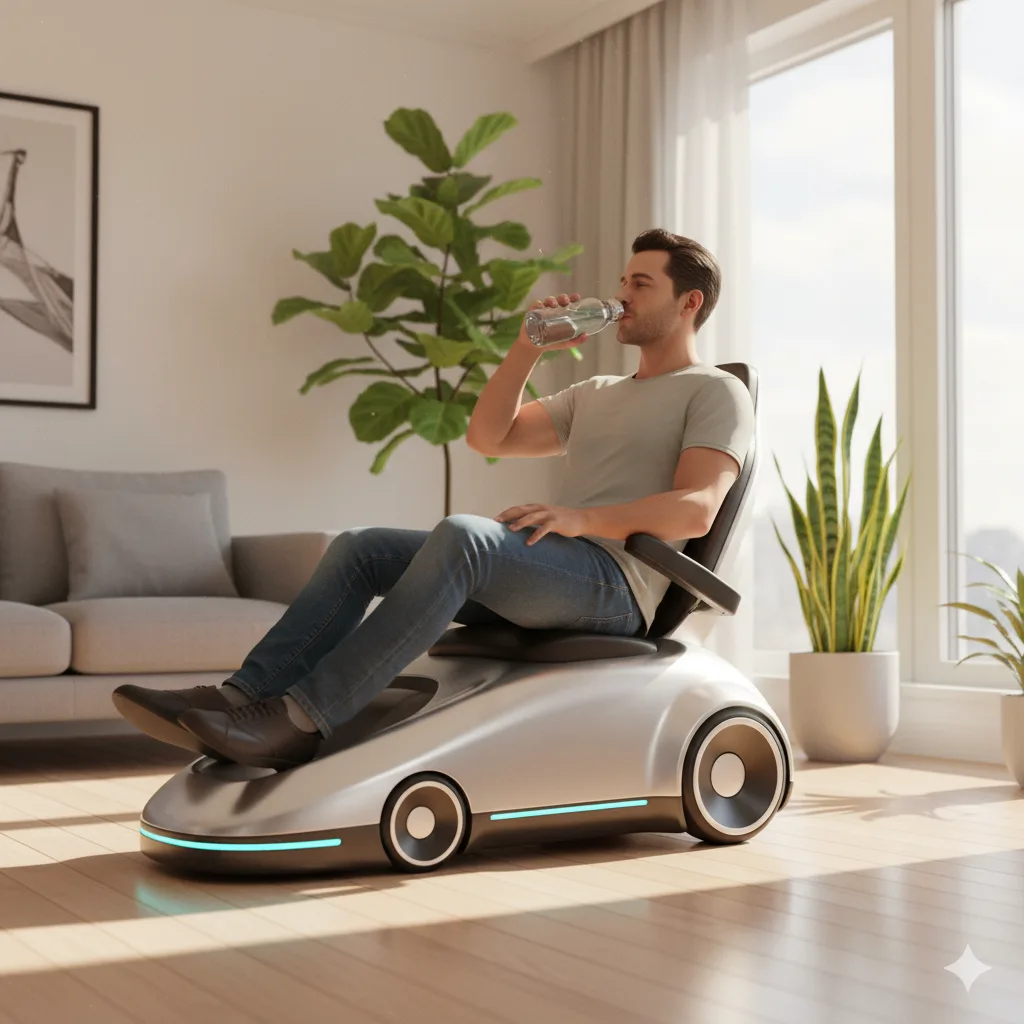
The primary design focus is operator comfort. Seats are often adjustable and cushioned, similar to those on a lawn tractor. Controls are placed within easy reach, with intuitive steering mechanisms—either a traditional steering wheel or dual levers—that allow for precise maneuverability around furniture and obstacles. This ergonomic approach ensures that operators can clean for extended periods without strain.
Superior Suction and Filtration Systems
At the heart of every riding vacuum is a powerful motor and advanced suction system. The wide vacuum heads, sometimes spanning over 30 inches, ensure maximum coverage with each pass. More importantly, these machines often incorporate multi-stage filtration systems, including HEPA filters. This is a critical feature, as it captures fine dust, allergens, and pollutants, significantly improving indoor air quality rather than just redistributing particles. The large-capacity dustbins or bags mean less frequent stops to empty debris.
Maintenance and Longevity Tips
To ensure your investment lasts, regular maintenance is key. Always check and clean the filters as recommended by the manufacturer to maintain suction power and air quality. Regularly inspect the brushes and beater bars for tangled hair, string, or debris, and clear them to prevent motor strain. It’s also wise to keep the tires properly inflated for smooth operation and to wipe down the machine’s exterior to prevent dust buildup in critical components.
Market Comparison: How Riding Vacuums Measure Up
When considering an investment in cleaning technology, it’s crucial to understand how riding vacuums compare to other options on the market, such as high-end uprights or large walk-behind commercial units.
Price Comparison
There’s no question that riding vacuums represent a significant upfront investment compared to traditional vacuums. However, for commercial users, the cost is often justified by the return on investment in labor savings. A single operator can clean a space in a fraction of the time, reducing payroll costs. For homeowners, the price reflects a premium for unmatched convenience and time savings.
Design Comparison
The most obvious design difference is the ride-on functionality. Unlike walk-behind models that still require physical exertion to push and maneuver, the riding design eliminates virtually all physical strain. This makes them accessible to users with mobility issues and drastically reduces fatigue during long cleaning sessions. Their design prioritizes covering ground quickly and comfortably.
Feature Comparison
When compared feature-for-feature with even the best traditional vacuums, riding vacuums typically offer superior performance in key areas for large spaces.
- Cleaning Path: 28-40 inches for a riding model vs. 12-15 inches for an upright.
- Debris Capacity: Often 10-20 times larger than a residential vacuum, meaning fewer stops.
- Filtration: Commercial-grade, multi-stage filtration is standard, offering better air quality improvement.
- Power Source: Many models are battery-powered, offering cordless freedom without emissions.
Durability and Longevity
Built with steel frames and commercial-grade components, industrial riding vacuums are designed for heavy daily use and longevity. They are engineered to withstand the rigors of commercial environments, offering a much longer operational lifespan than a residential plastic-bodied vacuum cleaner.
Customer Reviews
Users consistently praise the transformative impact of these machines. A common theme in reviews is the dramatic reduction in cleaning time. One facility manager noted, “Our new riding vacuums cut our floor cleaning time by 60%. My staff is less tired, and our floors have never looked better. It was an investment that paid for itself in six months.”
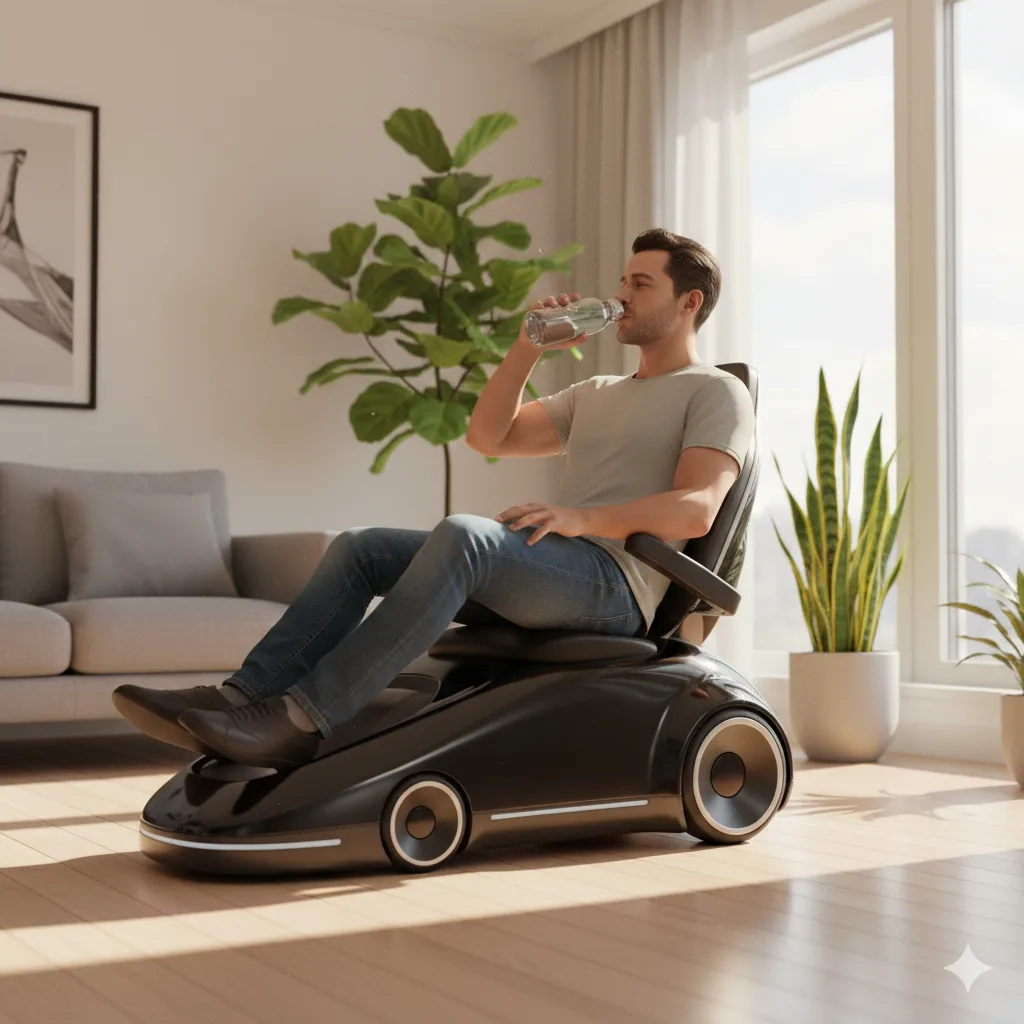
Investing in riding vacuums is a strategic move toward ultimate efficiency and comfort in cleaning. These machines offer a powerful solution for anyone tasked with maintaining large floor spaces, from sprawling homes to vast commercial facilities. By eliminating physical fatigue and slashing cleaning times, they deliver an undeniable vacuum cleaner benefit: giving you back your time and energy. The blend of ergonomic design, powerful suction, and advanced filtration makes them a superior choice for serious cleaning challenges.
Ready to explore more innovations in home and commercial design technology? Follow our blog and subscribe to our newsletter for the latest insights and product showcases that will inspire your space and simplify your life.
Frequently Asked Questions
What factors should I consider when choosing between different riding vacuums?
When selecting riding vacuums, consider the total square footage you need to clean, the types of surfaces (carpet vs. hard floors), and maneuverability requirements. Also, evaluate battery life versus cleaning time, the width of the cleaning path, and the sophistication of the filtration system to ensure it meets your specific needs for air quality and efficiency.
How do riding vacuums handle different types of debris and surfaces?
Modern riding vacuums are incredibly versatile. Most are designed as multi-surface cleaners with adjustable brush heights to effectively transition from low-pile carpet to hardwood, tile, or concrete. Their powerful suction systems can handle everything from fine dust and allergens to larger debris like paper scraps or dirt tracked in from outside.
What is the cost-effectiveness of investing in riding vacuums?
For commercial applications, the cost-effectiveness is clear: reduced labor hours directly translate to financial savings, often leading to a quick return on investment. For residential users, the value is in time saved and the reduction of physical strain. By turning an all-day job into a quick task, riding vacuums buy back precious free time, which many users find invaluable.